Currently, everyone in the world is self-isolating, and for good reason, the current COVID-19 virus is proving fatal to people with low immunity systems.
As our normalized, fast-paced everyday life stands still, we are beginning to see many different ways of coping, and not coping. From home schedules, to creativity, to prolonged vacation, to self-neglect.
Besides the COVID-19 virus, there has been a community of people who are very familiar with this isolation. Some deal with it all year round, some struggle with it most of their life.
This is the reality for people dealing with mental illness and suicide.
In Aotearoa it is common for suicide to be seen as an answer to ending pain, but suicide never ends pain, it passes it onto someone else.
Like the sudden activation of the self-isolation laws, when an overwhelming amount of grief is suddenly introduced, one hundred and one possibilities of dealing with that grief then present themselves.
The grieving process may not be linear for every experience but one common feeling is shared. Being unable to talk, release or open up from fear of making a listener uncomfortable.
In today’s selection of what to listen to, watch and consume, the need to express and release personal pain from loss, falls short of an ideal conversation. Nevertheless, neglecting this need can reinstate the isolation that comes with suicide and can back up even more emotional weight.
Don’t understand? I’ll paint you a picture;
_
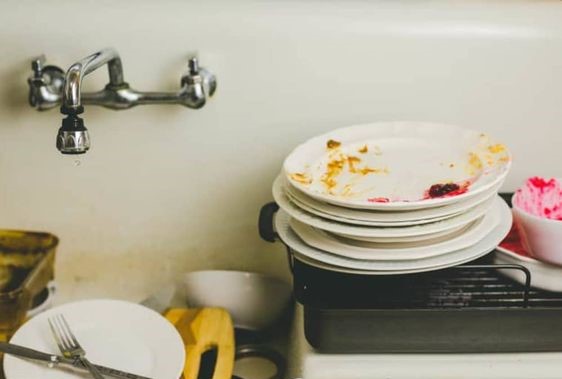
You eat from a plate everyday and one day you decide you cant wash the plate, more days start to pass, more dirty plates start to stack and now washing the dishes seems too exhaustive, too intimidating, you start to fill your time with other tasks so that you do not have to face the dishes, not having the energy or the time to do the dishes now becomes an excuse to quickly avoid the idea of washing the dishes. Every day adds another dirty dish, and soon you are unable to approach the kitchen. You forget what it was like to have no dishes and forget the colour of the kitchen bench. Dishes start to appear in the other rooms, other people begin to notice and no longer want to approach your house. Your house starts to feel different, you no longer like your house and no longer want to be home.
_
Understanding the complexities of human emotions is the specialty of the professionals, but one thing we do know is the great amount of healing and relief, that comes from expressing and releasing.
It is important to keep this in mind if it is you who someone has turned to, to talk about a loss or to unpack an emotional experience. Being an open and available ear is not serving empty compassion and ‘so relatable’ on a platter but is being present, patient and mindful.
There is strength in vulnerability when feelings and experiences are acknowledged, and not disregarded or discredited.
Suicide, Mental health or grief may feel like outcast topics, but in a time and age where the leading cause of death is an internal isolation,
opening up is a revolution.
The first step is to acknowledge the dishes.
•.°|.
For Other side of silence, a community support group, for people who want to talk , listen and share their coping stories after losing someone to suicide. We are not councilors, we are not professionals. We are whānau/family and friends providing a platform to support each other and share the way we have coped.


Leave a Reply